
Smells of smoke or damp in New Rochelle, NY
You are smelling the inside of your chimney. Most of the time the smell is creosote — the tarry residue left on the flue walls by past fires. It sits there quietly all winter. Then the weather changes and you start to notice it in the living room.
Phones answered around the clock · free estimate
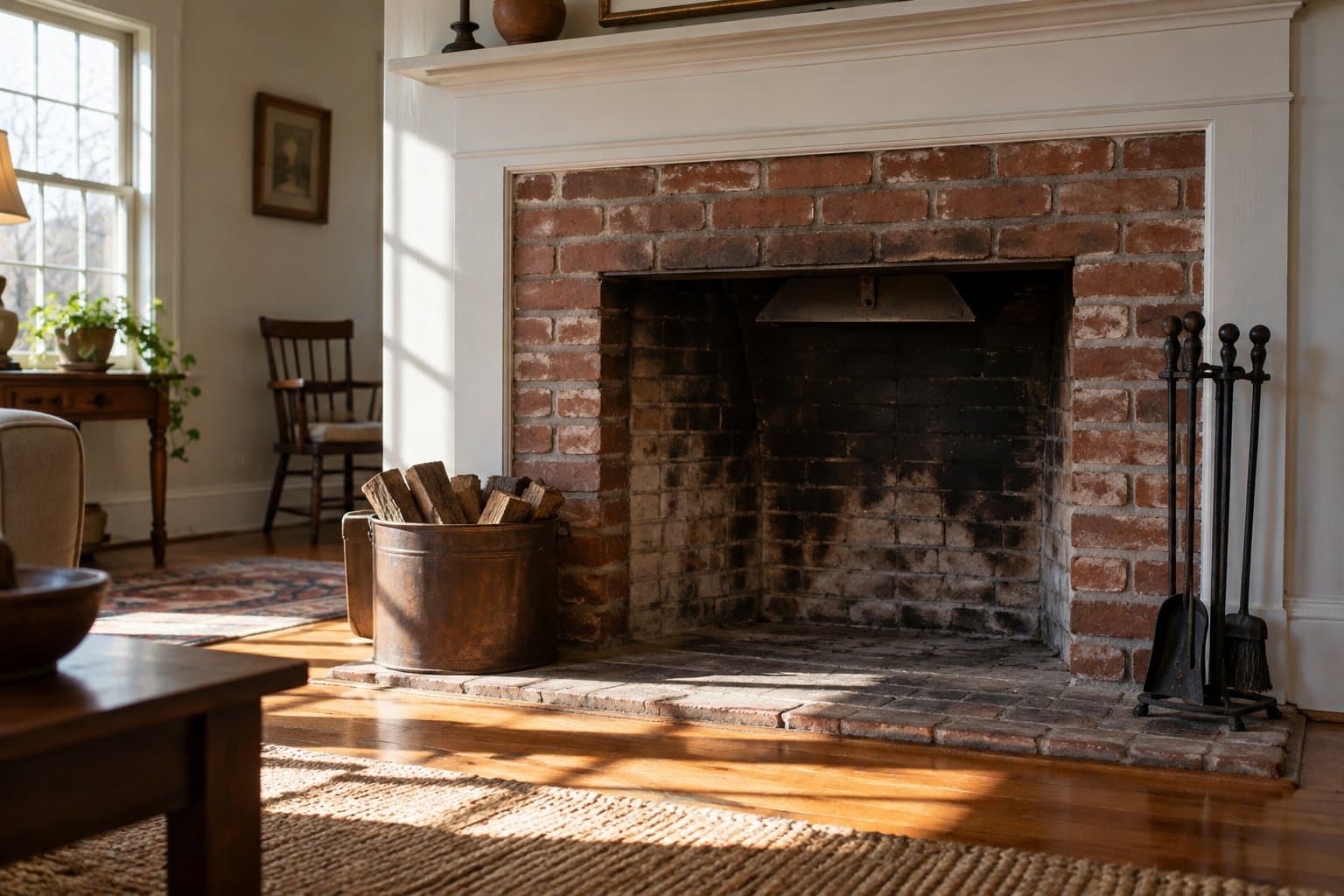
The other common source is water. A cracked crown, a rusted or missing cap, or failed flashing lets rain into the flue, and damp soot and damp masonry smell sour and musty. Add a bird or squirrel nest, or old animal debris, and the smell gets stronger again. In New Rochelle this is usually a summer problem. Warm humid air outside and a cool flue inside reverse the airflow, so the chimney breathes into the house instead of out of it. The humid continental summers here, plus the salt air and high humidity along the Long Island Sound shoreline, keep flues damp and keep chimney caps and flashing corroding. New York's humid summers statewide keep unused flues damp, which encourages creosote odors and interior staining — and much of New Rochelle's housing predates 1960, so there are a lot of older masonry chimneys and clay flue liners doing that breathing.
While you wait — please don't
- Do not treat a headache as a smell problem. If the odor comes with headaches, dizziness or nausea, treat it as carbon monoxide until proven otherwise — get everyone outside into fresh air and call 911.
- Do not close the damper and cover it with air freshener. Masking the smell hides a flue that may still be full of creosote, which is fuel for a chimney fire.
- Do not light a fire to burn the smell off. A flue that smells of damp soot or nesting material may be partly blocked, and a blocked flue pushes smoke and combustion gases back into the room.
- Do not stop using the fireplace and forget it. If smoke has come into the room, stop using it and leave it alone until a technician has looked up the flue — but do get it looked at, because the cause does not go away on its own.
What the technician does
- The flue gets sweptThe smell is usually the creosote itself, so removing it removes most of the odor. This is the first step, not the last.
- A look up the whole flueThe technician inspects the liner, the smoke chamber and the firebox for damage, buildup and blockage. Ask to see the camera footage if a camera is used, and ask for the reasoning in writing.
- Nests and animal debris clearedOld nesting material, leaves and droppings hold moisture and smell badly. They also restrict the flue.
- The moisture path closedThe cap, the crown and the flashing are checked and the water route is shut off. A damp flue will keep smelling no matter how well it is swept.
- The damper sorted outA damper that will not close lets the chimney breathe freely into the room. It can be repaired, or a top-sealing damper fitted at the top of the flue to seal it and keep rain out.
- House pressure consideredIf the house is pulling air down the chimney, sweeping alone will not fix it. The technician looks at how the house is drawing air before recommending anything.
Why this happens in New Rochelle, NY
Homes on Davenport Neck, Premium Point and the other Sound-front streets deal with constant salt-air corrosion, and chimney caps and flashing are right in the firing line. Once a cap rusts through or flashing lifts, rain goes straight down the flue. Nor'easters and the remnants of Atlantic tropical systems — Sandy, Ida and Isaias all caused local flooding here — drive wind and water intrusion that finds the same weak points. A chimney that smells of damp in Wykagyl, Rochelle Heights or Sutton Manor is often telling you water is getting in somewhere above the roofline.
The older stock here matters too. The 1920s–1950s brick and stucco colonials and Tudors of the North End and the shore areas commonly have masonry chimneys with clay flue liners, and many are still active venting flues rather than decorative. Repeated freeze-thaw cycles through a New Rochelle winter work on crowns, mortar joints and brick faces, especially where a flue has already absorbed moisture. That is why the smell you notice in July often traces back to damage done the previous February. Demand climbs across New York in late summer and fall, so a summer smell is a reasonable prompt to get the chimney looked at before the first hard freeze.
Questions people ask
- Why is the smell worse in summer?
- Warm humid air outside and a cool flue inside reverse the normal airflow. The chimney breathes into the house rather than out of it. New Rochelle's humid summers and shoreline moisture make that reversal very noticeable.
- Will sweeping alone fix it?
- Often it does a lot, because the smell is usually the creosote itself. But if water is getting in at the cap, crown or flashing, or if there is nesting debris, those have to be dealt with as well. The technician will tell you which applies to your chimney.
- Is a smell dangerous?
- A smell on its own is usually a nuisance and a sign the flue needs attention. A smell together with headaches or nausea is different — treat that as carbon monoxide, get outside and call 911. Never seal the problem away behind a closed damper and an air freshener.
- Do I need a permit in New Rochelle for this?
- Routine sweeping and inspection generally do not require a permit in New York. Permits are issued locally by the municipal building department, not by a state agency, and they are typically needed for things like relining a flue as part of an appliance install or rebuilding masonry above the roofline. Call the local building department before any larger work begins.
- Is there a state chimney sweep license in New York?
- New York does not issue a statewide license for chimney sweeping, inspection or masonry repair — it is handled locally. Westchester County runs its own home improvement contractor licensing program, so verify current requirements with the county consumer affairs or licensing office. Code questions go to the local building department or the NYS Department of State Division of Building Standards and Codes.
One call
One Call Chimney is a referral and scheduling service — we arrange the work with independent sweeps and masons across all fifty states, and we are not the contractor. Call (866) 576-7943; the estimate is free, the technician inspects the chimney and gives you the price before any work starts, and nothing happens until you approve it.
More from One Call Chimney
Nearby
Answers
Free tool
Something else in this area
- Smoke comes back into the room
- Never been swept
- Water coming in
- Something living up there
- Cracked crown or crumbling brick
- Damper stuck or broken
- Liner damaged or missing
- Rebuild or new chimney
One Call Chimney arranges the visit; the technician does the work and gives you the price.